
Lab Grown Anniversary Rings
-
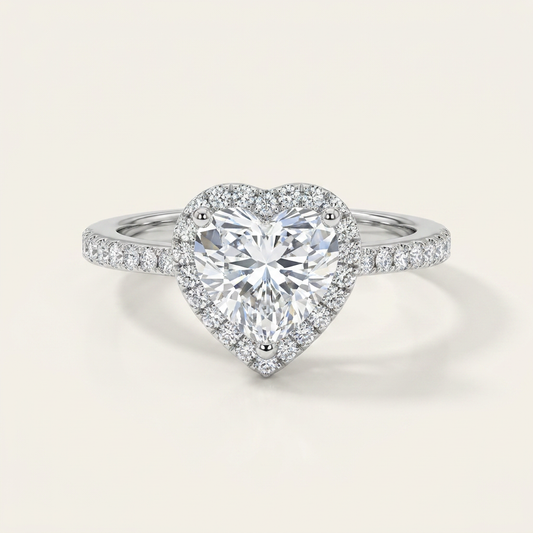
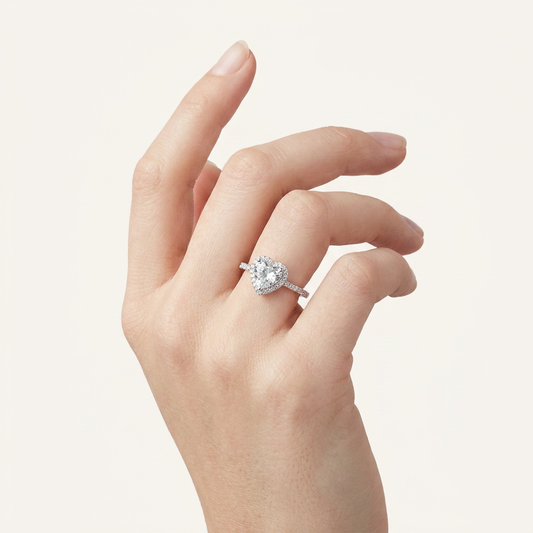
Lab Grown 1.65 CT Heart Cut Diamond Halo Ring
Starting fromRegular price $1,795Sale price $1,795 Regular price$0 -
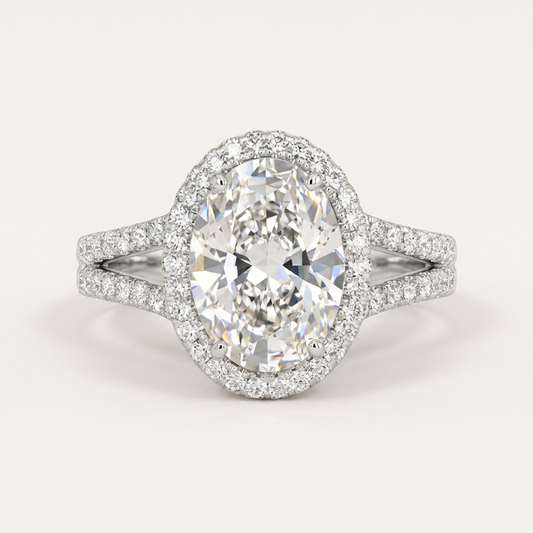
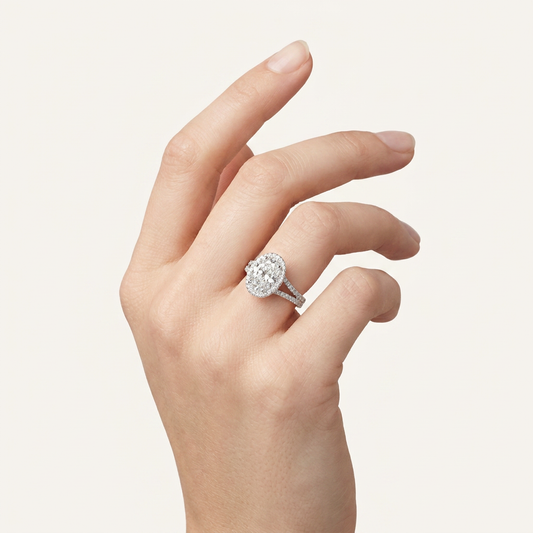
Lab Grown 1.85 CT Oval Cut Diamond Halo Ring
Starting fromRegular price $1,467Sale price $1,467 Regular price -
Lab Grown 1.60 CT Pear Cut Diamond Halo Ring
Starting fromRegular price $1,367Sale price $1,367 Regular price$0
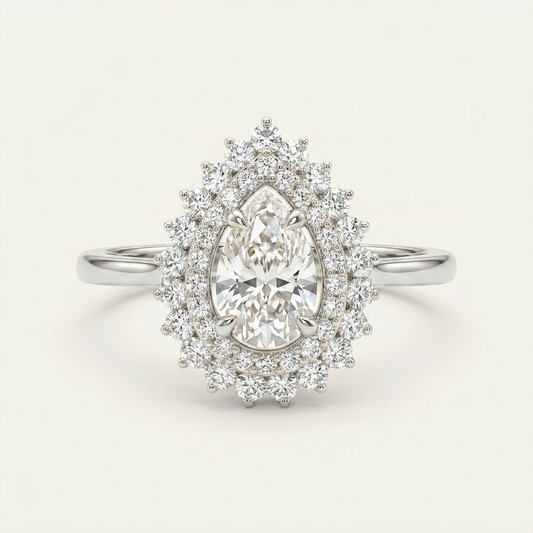
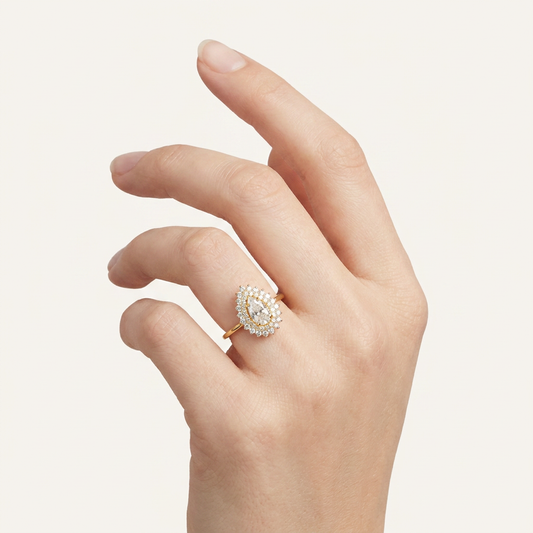
Showing 3 of 3
A lab grown diamond anniversary ring is the answer to a question most buyers arrive at naturally: how do you give a ring with real presence and genuine quality without the cost of a natural diamond multiplying the decision out of reach? Lab grown diamonds are not an alternative to diamonds. They are diamonds chemically, physically, and optically identical to mined stones, grown in a controlled environment rather than extracted from the earth. They carry the same IGI and GIA grading certificates. They have the same hardness of 10 on the Mohs scale. And they cost 70 to 80 percent less per carat than a comparable mined stone. For an anniversary ring where both quality and thoughtfulness matter, that combination is hard to argue with.
Why Lab Grown Anniversary Rings Make Sense
The logic is straightforward. An anniversary ring worn alongside a natural diamond engagement ring needs to look like it belongs there not like a compromise. Lab grown anniversary rings allow you to match or exceed the visual quality of the existing ring at a price point that leaves room for the milestone itself.
Most buyers find they can go one full carat weight range higher in a lab grown stone compared to a natural diamond at the same budget. In an anniversary ring where total carat weight adds up across multiple stones eternity rings, pavé styles, three stone designs that difference multiplies. The result is a ring with more presence, higher clarity, and better color than the natural diamond equivalent at the same spend.
Lab grown diamonds also come with the same ethical case that drives many couples to choose them for engagement rings. No mining. No environmental disruption. A certified, traceable origin. For an anniversary that is as much about shared values as shared years, that backstory matters.
Lab Grown Diamond Anniversary Ring Styles
Eternity
A full eternity ring with lab grown diamonds anniversary ring format stones running the complete circumference of the setting is the most symbolically and visually powerful anniversary ring style. In lab grown, the savings per stone allow you to go up a carat weight range or choose a wider, more substantial setting without changing the budget. Worth noting: full eternity rings cannot be resized after the stones are set. Correct sizing before ordering is essential. Our Round Anniversary Rings and Emerald Anniversary Rings collections show eternity styles in multiple shapes.
Half Eternity
Lab grown diamonds across the front half of the setting only, with a plain metal reverse. More comfortable for daily wear, easier to resize and visually indistinguishable from a full eternity when worn. The most practical lab grown anniversary ring format for buyers adding to an existing ring stack.
Three Stone
A lab grown center stone flanked by two side stones representing the past, present, and future of the relationship. In a three stone setting where three quality stones are required simultaneously, the lab grown cost saving is most significant: you can achieve a more impressive total composition with larger stones and higher clarity across all three for what a comparable natural diamond single solitaire would cost. Browse our Three Stone Anniversary Rings.
Solitaire
A single lab grown diamond anniversary ring with a solitaire center makes a statement all its own. Particularly effective are shapes that face up larger than their carat weight; oval and emerald cuts both cover significantly more finger than a round of the same weight. Our Oval Anniversary Rings and Emerald Anniversary Rings show solitaire styles in lab grown.
Pavé
Small lab grown diamonds set closely together across the surface of a slim setting, continuous brilliance without the height of a solitaire or eternity. The most stackable format in the collection, and the one where the total cost savings of lab grown are most visible, is a full pavé eternity in natural diamonds at 2 ct. total weight, which is significantly more expensive than a comparable lab grown version.
What to Look for When Buying Lab Grown Anniversary Diamond Rings
Lab grown diamonds are graded identically to natural diamonds cut, color, clarity, and carat weight and the same quality considerations apply.
Cut is the most important factor. An excellent or ideal cut grade determines how much light the stone returns and how brilliant it appears in daily wear. A larger stone with a poor cut will look duller than a smaller stone with an excellent cut. Always prioritize cut grade above carat weight.
Color G to H is the recommended range for lab grown diamonds anniversary ring styles. Near-colorless, eye-clean, and suited to both warm and cool metal tones. In yellow gold, the H color can work beautifully. In white gold or platinum, G or better gives the crispest, most colorless appearance.
Clarity VS2 to SI1 is the practical sweet spot for most anniversary ring styles. Eye-clean at normal viewing distance, with no inclusions visible without magnification. In step-cut shapes like emerald and asscher, VS2 or better is recommended; the open facets make inclusions more visible than in brilliant cuts.
Certification: Every lab grown diamond anniversary ring in our collection comes with an IGI or GIA grading report confirming all four quality parameters. Do not purchase any lab grown diamond for an anniversary ring or any other purpose without a grading certificate from one of these two bodies.
Stone Shapes for Anniversary Rings: Lab Grown
Shape changes both how the ring looks on the hand and how the lab grown diamond's quality presents.
Round: Maximum brilliance, most forgiving of slight color variation. The most popular shape for eternity and pavé anniversary rings is lab grown. Browse our Round Anniversary Rings.
Oval: Elongates the finger and faces up larger than its carat weight, already a size-efficient shape made even more so in lab grown. Browse our Oval Anniversary Rings.
Emerald cut: Step-cut, architectural, and deeply sophisticated. In lab grown, you can prioritize the VS1-VS2 clarity the emerald cut demands without the premium that grade carries in natural diamonds. Browse our Emerald Anniversary Rings.
Pear: Romantic, directional, and finger-flattering. The pear's elongated surface area maximizes visual size in lab grown particularly well. Browse our Pear Anniversary Rings.
Choosing Your Metal
Yellow gold in 14K or 18K brings warmth and suits anniversary rings intended to feel celebratory and personal. It also complements H-color lab grown diamonds naturally; the warm metal tone absorbs any subtle warmth in the stone without it reading against the setting.
White gold gives lab grown diamonds the crispest, most colorless appearance, particularly effective for G color and above. The cool, neutral setting maximizes brilliance and suits buyers who want the ring to feel contemporary rather than warm.
Rose gold adds a romantic softness that suits the anniversary context particularly well. The blush tone against a colorless lab grown diamond creates an unexpected contrast that many buyers find more personal and distinctive than conventional gold choices.
FAQs
1. Are lab grown diamond anniversary rings real diamonds?
Yes. Lab grown diamonds are chemically and physically identical to mined diamonds: the same composition, the same hardness, and the same optical properties. The only difference is origin and price.
2. How much less do lab grown anniversary diamond rings cost compared to natural diamonds?
Typically 70-80% less per carat for comparable quality. In a multi-stone anniversary ring format, that saving compounds, allowing significantly more total carat weight or higher quality for the same budget.
3. Do lab grown diamonds lose their sparkle or change over time?
No. Lab grown diamonds maintain their brilliance and clarity indefinitely. They are rated 10 on the Mohs hardness scale, the same as any natural diamond. Regular cleaning maintains their surface sparkle.
4. What certification should a lab grown anniversary ring have?
IGI or GIA grading reports are the two authoritative certification bodies for lab grown diamonds. Every stone in our collection comes with one of these reports confirming cut, color, clarity, and carat weight.
5. Can lab grown anniversary rings be resized?
Solitaire, three stone, and half eternity rings can be resized within a size or two. Full eternity rings with stones running the complete circumference cannot be resized. After setting, correct sizing before ordering is essential for this style.
Shop with Confidence
Every lab grown diamond anniversary ring of above $100 ships free worldwide, fully insured with an IGI or GIA grading report. Detailed photography shows each stone in multiple lighting conditions. Our return window applies to all unworn rings from the date of delivery, and every order includes a lifetime service warranty.