

10K vs 14K vs 18K Gold: Which Is Best for an Engagement Ring or Band?
You've found an engagement ring you love, but there's one decision left: 10K, 14K, or 18K gold? All three can look beautiful, but choosing the right one can make a difference in how your ring looks, wears, and fits your budget over the years.
You may love the rich color of 18K gold, prefer the everyday practicality of 14K, or want the affordability of 10K. So, which one is the right choice for a ring you'll wear every day and cherish for a lifetime?
The answer depends on more than gold purity. Let's compare 10K, 14K, and 18K gold by color, durability, skin sensitivity, price, and value to help you choose the ring that feels right for you.
What's the Difference Between 10K, 14K, and 18K Gold?
Gold karat tells you how much pure gold is present in a piece of jewelry out of 24 parts. The remaining portion consists of other metals added to create the desired color and physical properties.
|
Gold Type |
Pure Gold Content |
Other Metals |
|
10K gold |
41.7% |
58.3% |
|
14K gold |
58.3% |
41.7% |
|
18K gold |
75% |
25% |
The biggest difference is gold content. A higher karat means more pure gold, but that doesn't automatically make it the best choice for every ring.
10K gold generally offers greater hardness, 14K balances gold content and everyday practicality, and 18K gives you a richer gold appearance with a higher percentage of pure gold.
10K vs 14K vs 18K Gold: Comparing Purity, Durability, Color, Skin Sensitivity, Price, and Value
Before looking at each option individually, here's how the three gold types compare across the factors that matter when buying a ring.
|
Factor |
10K Gold |
14K Gold |
18K Gold |
|
Purity |
41.7% gold |
58.3% gold |
75% gold |
|
Durability |
Generally harder |
Balanced |
Generally softer |
|
Yellow gold color |
Lighter |
Warm yellow |
Richer yellow |
|
Skin sensitivity |
Depends on alloy |
Depends on alloy |
Less alloy overall, but not automatically hypoallergenic |
|
Price |
Usually lowest |
Mid-range |
Usually highest |
|
Value |
Practical and affordable |
Balance of price and gold content |
Higher gold content and richer color |
Is 10K Gold a Good Choice for an Engagement Ring?
- Gold purity: 41.7% pure gold
- Alloy content: 58.3% other metals, such as copper, silver, or zinc
- Durability: Generally harder and more resistant to scratches than higher-karat gold
- Color: Lighter yellow tone compared with 14K and 18K gold
- Skin sensitivity: May cause irritation depending on the alloy metals used, particularly nickel
- Best for: Budget-conscious buyers who prioritize affordability and durability for everyday jewelry
- Cost: Generally the most affordable option among the three
With its higher alloy content, 10K gold is generally harder than 14K and 18K gold, making it a practical choice for rings worn regularly. When comparing 10K vs. 14K gold, the main difference comes down to hardness, gold content, and color. 10K offers greater hardness, while 14K has a warmer gold appearance and contains more pure gold.
Find a Ring That Fits Your Budget
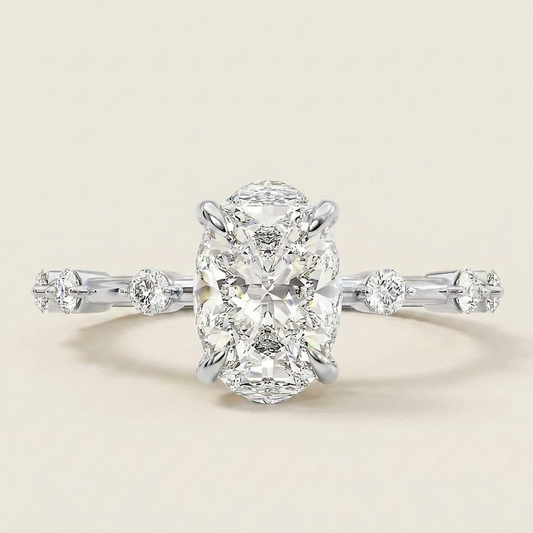
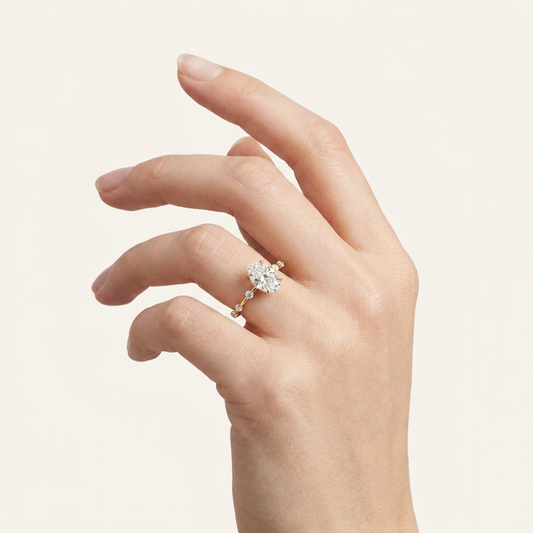
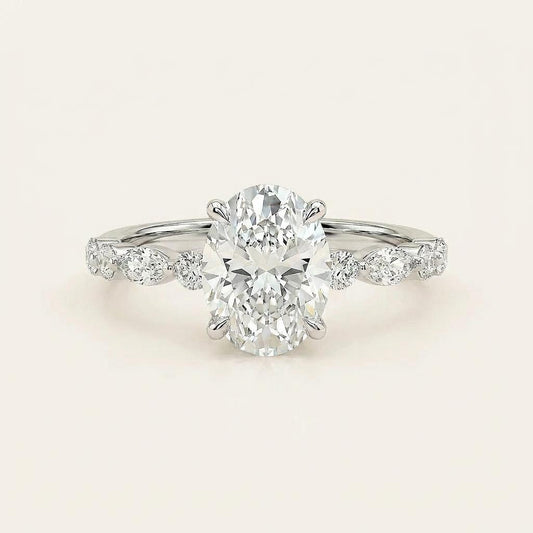
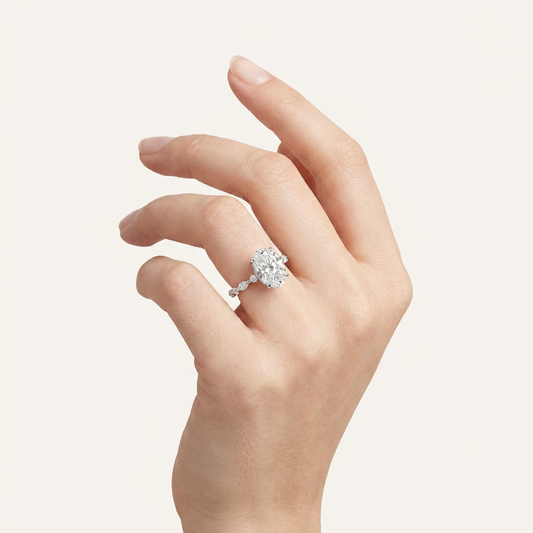
Moissanite 1.50 CT Oval Cut Solitaire Ring
Moissanite 3.30 CT Oval Cut Solitaire Ring
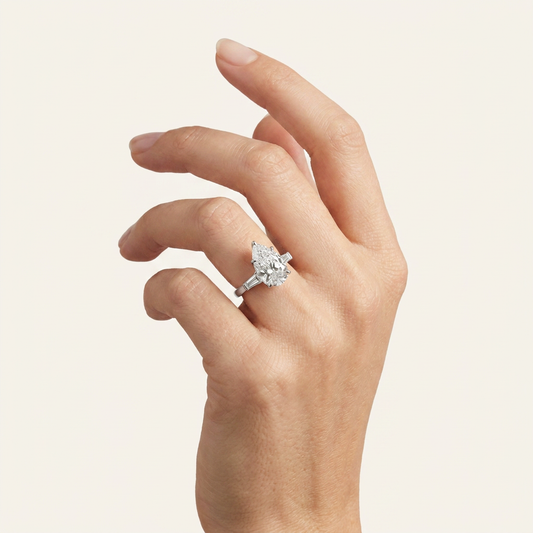
Moissanite 3.66 CT Pear & Tapered Cut Three Stone Ring
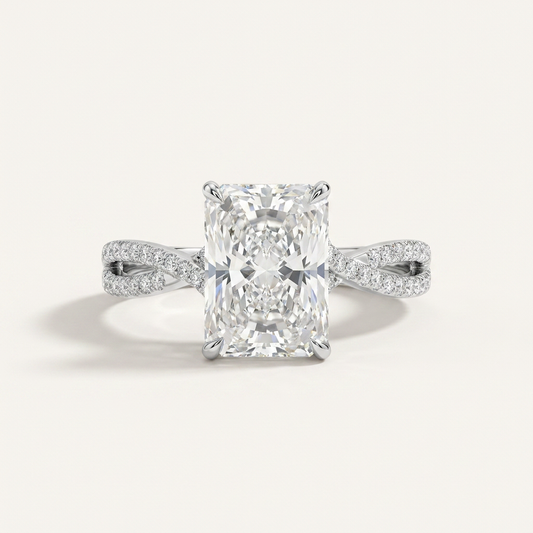
Moissanite 2.40 CT Radiant Cut Solitaire Ring
$597


However, the higher percentage of alloy metals may not suit everyone, especially those with sensitive skin. If you have a history of metal allergies, check the alloy composition before choosing your ring.
|
Pros |
Cons |
|
Generally harder and more scratch-resistant |
Lighter yellow color than higher-karat gold |
|
More affordable than 14K and 18K gold |
Contains less pure gold |
|
Practical for everyday jewelry |
Higher alloy content may cause skin irritation in sensitive individuals |
|
Budget-friendly for engagement rings and wedding bands |
May not offer the richer gold appearance some buyers prefer |
Is 14K Gold the Best Balance for Everyday Wear?
- Gold purity: 58.3% pure gold
- Alloy content: 41.7% other metals, such as copper, silver, zinc, or palladium
- Durability: A practical balance of hardness and gold content for everyday jewelry
- Color: Warm gold appearance with more color than 10K gold
- Skin sensitivity: Depends on the alloy composition; nickel-free options may suit sensitive skin better
- Best for: Buyers looking for a balance of durability, appearance, gold content, and price
- Cost: Mid-range option, generally more expensive than 10K and less expensive than 18K
14K gold is a popular choice for engagement rings and wedding bands because it offers a balance of gold purity, durability, and appearance. It contains more pure gold than 10K while generally retaining good hardness for everyday wear.
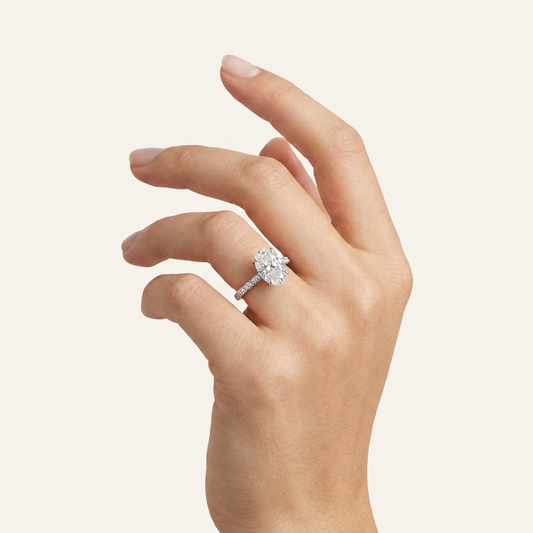
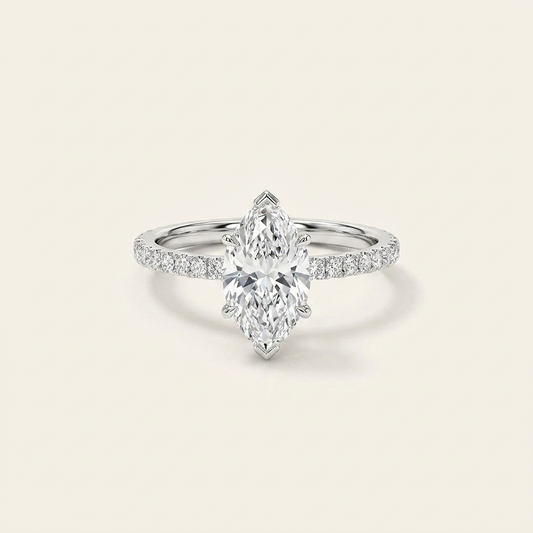
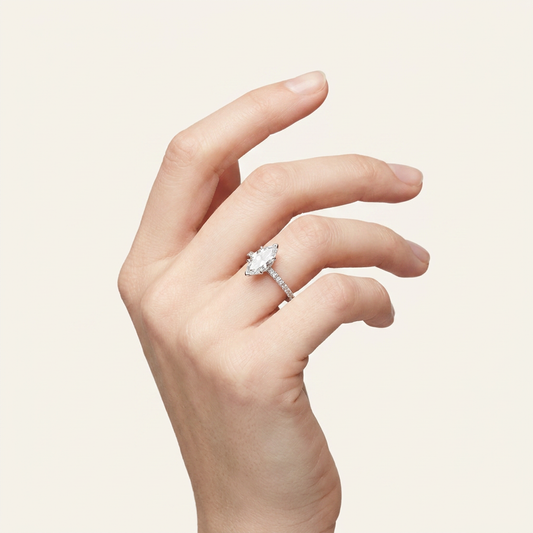
Find Your Perfect 14K Gold Ring
Moissanite 3.35 CT Oval & Round Cut Solitaire Ring
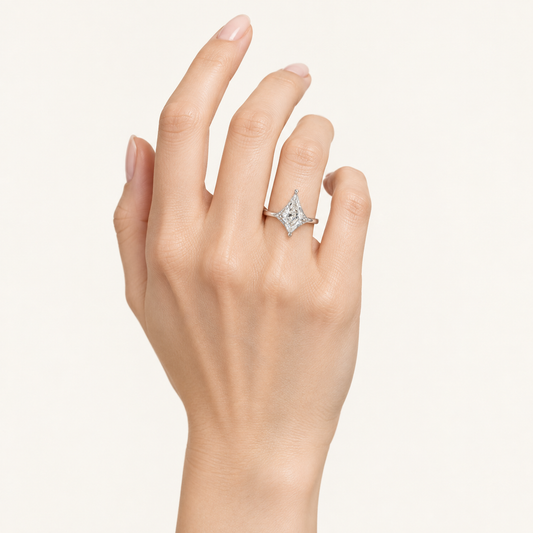
Moissanite 1.45 CT Kite Cut Solitaire Ring
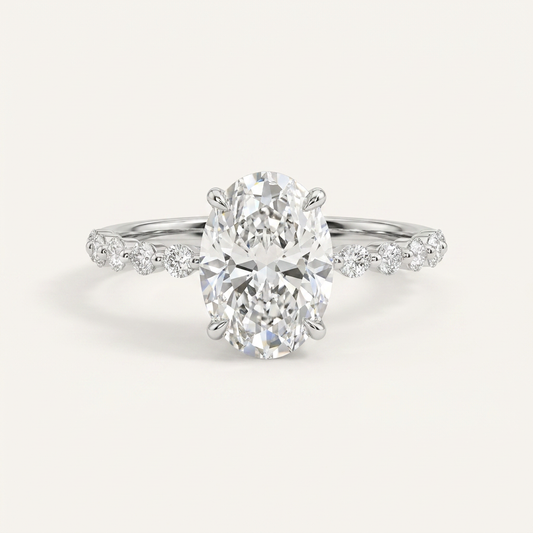
Moissanite 3.40 CT Oval Cut Solitaire Ring
Moissanite 2.00 CT Marquise Cut Solitaire Ring



When comparing 14K vs. 18K gold, 14K is generally harder and more affordable, while 18K offers higher gold content and a richer yellow color. This makes 14K a practical choice for someone who wants a beautiful ring without paying extra for higher gold purity.
|
Pros |
Cons |
|
Balance of gold content and durability |
Less pure gold than 18K |
|
Warm, classic gold appearance |
Yellow color may be less rich than 18K |
|
Suitable for everyday engagement rings and wedding bands |
Contains alloy metals that may affect sensitive skin |
|
More affordable than 18K gold |
Costs more than 10K gold |
Is 18K Gold Worth It for an Engagement Ring?
- Gold purity: 75% pure gold
- Alloy content: 25% other metals, such as copper, silver, or palladium
- Durability: Generally softer than 10K and 14K gold, so it may show scratches more readily
- Color: Richer and deeper yellow tone, especially in yellow gold
- Skin sensitivity: Contains a lower percentage of alloy metals, but sensitivity still depends on the specific metals used
- Best for: Buyers who prioritize higher gold purity, richer color, and a premium jewelry appearance
- Cost: Generally the most expensive option among the three
18K gold is worth considering if you love the richer color of gold and want a higher percentage of pure gold in your engagement ring. With 75% gold content, it offers a more pronounced yellow tone than many 10K and 14K yellow gold alloys.
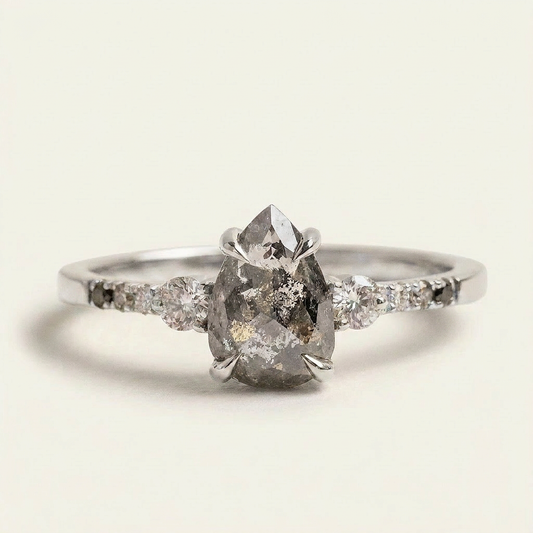
Discover the Beauty of 18K Gold
1.50 CT Pear & Round Cut Salt and Pepper Diamond Three Stone Ring
1.30 CT Pear & Cushion Cut Salt and Pepper Diamond Toi Et Moi Ring
Moissanite 3.60 CT Oval Cut Three Stone Ring
Moissanite 2.05 CT Pear Cut Toi Et Moi Ring


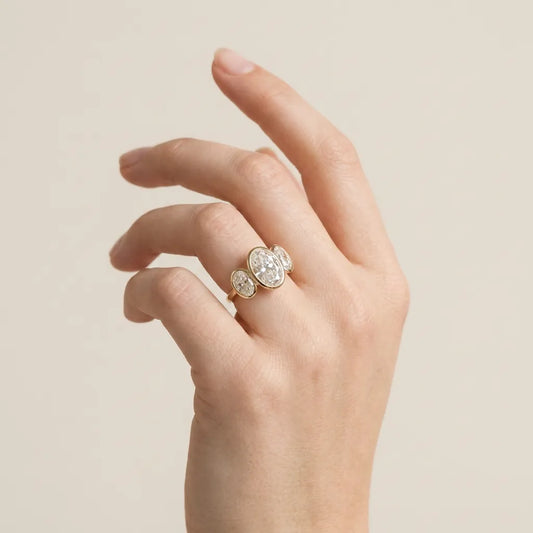

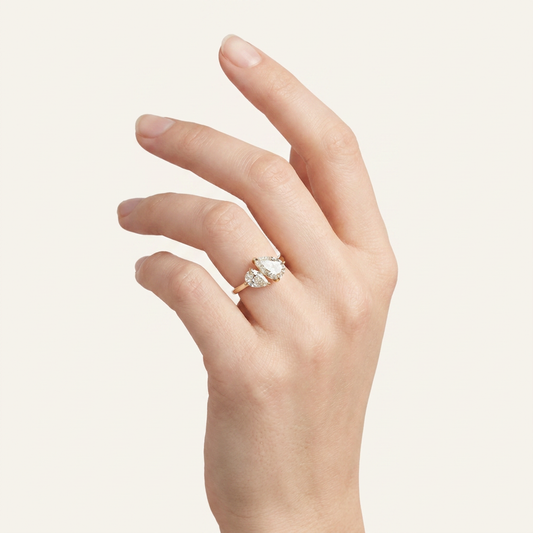
When comparing 14K vs. 18K gold, the choice often comes down to appearance, purity, and practicality. 18K contains more gold and offers a richer color, while 14K is generally harder and more affordable. Although 18K can be worn every day, it may require more care to minimize scratches and surface wear.
|
Pros |
Cons |
|
Contains 75% pure gold |
More expensive than 10K and 14K |
|
Richer yellow-gold appearance |
Generally softer than lower-karat gold |
|
Higher gold content |
May show scratches more readily |
|
Premium appearance for engagement rings and fine jewelry |
May require extra care with frequent wear |
Which Gold Is Best for an Engagement Ring?
An engagement ring is often worn every day, through work, travel, celebrations, and ordinary moments. That makes your lifestyle just as important as the gold's appearance.
For many buyers, 14K is a practical choice because it balances durability, color, and price. If you work with your hands or prefer a more affordable option, 10K may be worth considering. If you love a rich yellow tone and higher gold content, 18K may be the better fit.
The setting also matters. A ring with delicate prongs or a more intricate design may need additional care, regardless of its karat. The thickness of the band, setting design, craftsmanship, and regular inspections all play a role in keeping the center stone secure.
When choosing your ring, consider the design as a whole, not just the gold karat.
You can compare different styles and metal options in our engagement ring collection, including solitaire, halo, three-stone, and other designs.
10K vs 14K vs 18K Gold for Wedding Bands
Wedding bands are usually worn every day, so comfort, appearance, and long-term wear are important.
10K gold can be a practical choice for someone who wants a lower-cost band with greater hardness. 14K offers a balance that suits many everyday wedding bands, especially when you want a classic gold look without paying for the higher gold content of 18K.
18K is a beautiful choice if you prefer a richer gold color and value higher gold purity. However, it may require more care to keep the surface looking its best.
If you plan to wear your wedding band alongside an engagement ring, consider how the two metals look together. Matching the karat, color, and overall design can create a comfortable and cohesive pairing.
Our wedding rings and bands include classic, curved, diamond-accented, and other styles designed to pair with engagement rings or stand on their own.
Which Gold Is More Durable and Scratch-Resistant?
10K gold is generally harder than 14K and 18K gold alloys because it contains a greater percentage of other metals. This can make it more resistant to some scratches and surface wear.
14K gold offers a balance between hardness and gold content, which is one reason many people choose it for everyday rings.
18K gold is generally softer and may show scratches more readily. That doesn't mean it is unsuitable for everyday wear. Many people wear 18K engagement rings daily, but the design, activities, and care habits matter.
Also, hardness and toughness aren't exactly the same. A metal's resistance to scratching doesn't automatically mean it cannot bend or suffer damage.
Which Gold Has the Best Color?

If you're choosing yellow gold, the karat can make a noticeable difference in appearance.
10K yellow gold generally has a lighter, less saturated yellow tone. 14K gives you a classic warm gold color that many buyers prefer for everyday jewelry. 18K usually has a richer, deeper yellow appearance because it contains more pure gold.
For white gold and rose gold, the exact shade depends on the alloy metals used. So, don't assume that karat alone determines the color.
The best color is simply the one you love seeing on your hand. If possible, compare the different gold options in person or through clear product images before making your decision.
Does Higher-Karat Gold Cost More?
Generally, yes. When comparing similar rings, 18K gold usually costs more than 14K, and 14K generally costs more than 10K because the higher-karat options contain more pure gold.
However, the gold karat isn't the only factor affecting the price of an engagement ring. The weight of the metal, gemstone, setting, design, and craftsmanship all contribute to the final cost.
For example, a ring with a large center stone may have most of its price tied to the gemstone rather than the difference between 14K and 18K gold.
If you're working with a budget, choosing 14K instead of 18K may help you balance the metal choice with the center stone and ring design you want.
Is Higher-Karat Gold Better for Sensitive Skin?
Not necessarily. Gold jewelry contains alloy metals, and some people react to specific metals, particularly nickel.
18K gold contains a smaller percentage of alloy metals than 14K or 10K, but it isn't automatically hypoallergenic. The metals used in the alloy matter more than the karat number alone.
If you have a history of skin reactions, ask about the metal composition before purchasing. Look for options made without metals you know trigger your sensitivity rather than assuming a higher karat will solve the problem.
Which Gold Should You Choose? A Quick Buying Guide
Still unsure? Start with what matters most to you.
|
If you prioritize... |
Consider |
|
Affordability |
10K gold |
|
Hardness and wear resistance |
10K gold |
|
Balance of color, price, and durability |
14K gold |
|
Everyday engagement ring |
14K gold |
|
Rich yellow color |
18K gold |
|
Higher gold content |
18K gold |
|
Everyday wedding band |
14K, depending on lifestyle |
|
Premium gold appearance |
18K gold |
There isn't one gold karat that is best for everyone. Your lifestyle, budget, skin sensitivity, preferred color, and ring design should guide your choice.
How to Care for Your Gold Engagement Ring or Wedding Band
No gold ring is completely free from scratches or wear. A few simple habits can help keep yours looking beautiful.
Remove your ring before heavy work, exercise, or activities that may expose it to impact. Avoid harsh chemicals, and take it off before swimming in chlorinated pools.
Clean it using a jewelry-safe method, store it separately to prevent scratches from other pieces, and have the gemstone setting inspected periodically if your ring contains stones.
A little care goes a long way in protecting a ring you'll wear for years.
FAQs
Is 14K or 18K gold better for an engagement ring?
14K gold is a practical option for many engagement rings worn daily because it balances durability, gold content, appearance, and price. 18K offers a richer color and higher gold content, making it a good choice if those qualities matter most to you.
Is 10K gold better than 14K gold?
10K gold generally offers greater hardness and a lower price, while 14K contains more gold and usually has a richer color. The better choice depends on your priorities.
Does 18K gold scratch easily?
18K gold is generally softer than 14K gold and may show surface scratches more readily. Alloy composition and ring construction also affect wear.
Is 10K gold real gold?
Yes. 10K gold contains 41.7% pure gold by weight, with the remaining portion made up of other metals.
Which gold is best for everyday wear?
14K gold is a popular option for everyday rings because it balances gold content, durability, appearance, and cost. 10K is also practical for many wearers.

Amy Rangholiya
Amy has over four years of experience at IBIZ Jewel, helping customers choose jewelry with confidence. Backed by years of jewelry training and retail experience, she shares practical advice and creates helpful, customer-focused guides.
Read More